
Dental bonding is a popular cosmetic dental treatment that can improve the appearance of your smile by covering imperfections and discolorations, or by repairing minor dental issues such as chips and decay. Although dental bonding is durable and designed to last, patients often ask us if it can be removed or altered after application. The good news is that dental bonding can indeed be removed if necessary, though the process requires professional dental care.
In this blog, we’ll explore the details of dental bonding removal, the reasons you might consider having it removed, and what to expect if you decide to proceed with bonding removal.
What Is Dental Bonding?
Before we dive into the specifics of removal, let’s quickly go over what dental bonding is. Dental bonding is a process where a tooth-colored resin is applied to your teeth to repair chips, cracks, gaps, or to improve the appearance of discolored teeth. This composite resin material is bonded to the tooth and shaped to match its natural contours.
With time, bonding might start to wear down, stain, or get damaged. When this happens, consider whether you can remove it, change it, or upgrade it. Our cosmetic dentist in Grosse Pointe, Dr. Horacio Falcón, explains when and how this process can be carried out.
Can Dental Bondings Be Removed?
Indeed, dental bonding is removable. Nonetheless, it’s essential to realize that the removal is about recontouring the resin rather than completely “removing” it. Our dentist can remove it in our dental office as it is a non-invasive procedure.
This process generally includes the following steps.
- Reshaping the Bonding: The dentist will use a specialized tool to gently shave down and smooth out the bonding material. This method ensures that the underlying tooth is not damaged.
- Polishing: After the dentist reshapes your tooth, they will polish it to restore its natural shine and smoothness.
- Replacement or Removal: In certain cases, if the patient requests a fresh bonding application, the bonding is completely removed, and a new layer is applied. On the other hand, if you opt out of bonding the tooth, your dentist might be able to help polish and preserve some enamel.
Why Would You Want Dental Bonding Removed?
There are many reasons someone may want to get dental bonding removed.
- Staining: Over time, bonding materials can become stained by food, drink, and smoking. Some people want to replace the bonding to create a brighter smile, even with regular cleaning.
- Wear and Tear: While bonding is durable, like all materials, it is prone to chipping, cracking, and wearing down over time. If this happens, removal and replacement may be needed.
- Improved Aesthetics: Sometimes, patients may wish to update the appearance of their teeth with newer materials or techniques that provide better results.
- Damage: If the bonding has cracked, chipped, or developed gaps, removal can be an essential step before reapplying a fresh layer of resin.
How to Remove Composite Bonding?
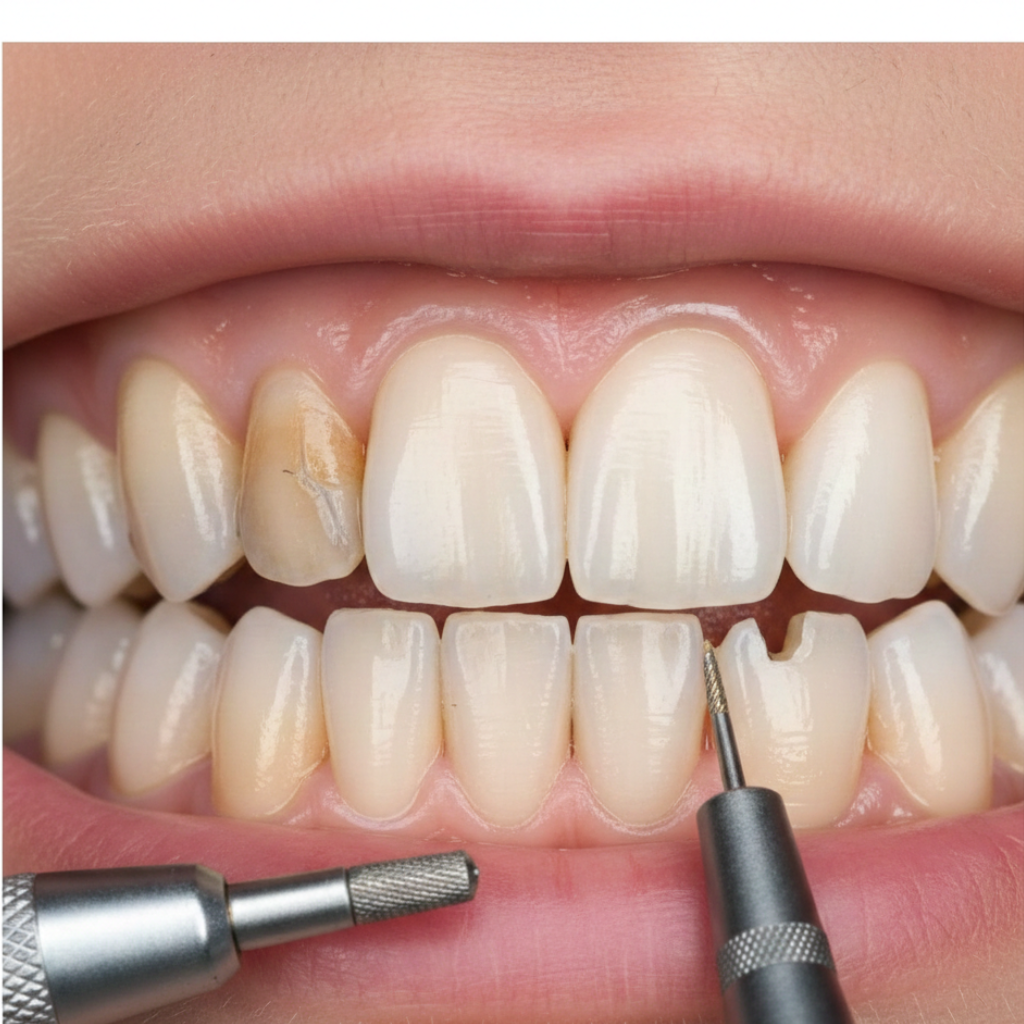
The method for removing composite bonding is quite simple, but a professional should perform it only to avoid damage to the tooth underneath. This is the way it works.
- Assessment: The dentist will check the bonding to see if it needs to be removed. The tooth beneath the bonding may be checked with x-rays to ensure its healthy.
- Gentle Removal: The dentist will use dental drills or burs to carefully and gently remove or reshape the composite bonding. There is no impact on the underlying natural tooth structure.
- Finishing Touches: When bonding is removed or reshaped, your dentist will polish the tooth to restore its smoothness and shine.
Should You Consider Dental Bonding Replacement?
Your dentist can discuss your adhesive possibilities if you decide you no longer want the bonding or when it needs replacing. Replacement bonding provides a whole new bonding. This is usually done when the existing bonding has become stained, worn, or damaged.
As with anything in life, the better your care, the longer it lasts. In this case, your dental bonding can last 5 to 10 years (approximately). A cosmetic dentist in Grosse Pointe will help you decide whether to remove, replace, or keep your dental bonding as it is.
Prevention of Dental Emergencies
Like any dental restoration, dental bonding can sometimes crack or break. If this happens, seek immediate professional help for a dental emergency. Cracked or broken bonding can cause discomfort, and it may expose your natural tooth to further damage or decay.
To prevent dental emergencies related to dental bonding, it’s important to:
- Avoid Hard Foods: Do not bite down on hard foods, such as ice or hard candies, as this can chip or crack the bonding.
- Practice Good Oral Hygiene: Brush and floss regularly to keep the area around your bonding clean and free of plaque and bacteria.
- Visit Your Dentist Regularly: By attending regular checkups, your dentist can monitor the state of your bonding and make any necessary repairs before problems develop.
How to Get Rid of a Toothache Fast
Although removing or replacing dental bonding generally does not cause pain, you might experience a toothache for various reasons. If your tooth is hurting, here are some quick remedies to ease the pain until you can see your dentist:
- Use a Cold Compress: A cold compress can be applied to reduce swelling and temporarily numb pain.
- Over-the-Counter Pain Relief: Ibuprofen or acetaminophen may ease the pain until you can talk to a dentist.
- Saltwater Rinse: You can relieve pain and reduce swelling by rinsing your mouth with warm salt water.

In Conclusion: Book Your Appointment Today
Maybe you want to remove damaged bonding, or perhaps you’re after a smile makeover. Either way, your dentist can discuss and show you the options. If you want to discuss dental bonding or have concerns about your current dental bonding, call your trusted cosmetic dentist in Grosse Pointe for guidance.
Welcome to Falcon Dental Group, where we offer comprehensive dental services tailored to your individual needs. Contact us today to schedule an appointment and take the first step toward a healthier, more radiant smile.
Common Questions People Ask
What are the risks of dental bonding?
Dental bonding is generally safe, but it can crack or stain over time if not properly cared for. Regular dental visits can help maintain its longevity.
Can dental bonding last forever?
While dental bonding is durable, it doesn’t last forever. Most dental bonding lasts between 5 and 10 years before needing repairs or replacement.
What is the difference between dental bonding and veneers?
Bonding is applied directly to the teeth and is more affordable, while veneers are custom-made and more durable, often used for severe cosmetic improvements.
Is dental bonding removal painful?
Dental bonding removal is minimally invasive and typically not painful. Local anesthesia is usually not necessary, but your dentist will ensure you’re comfortable during the process.