When individuals are interested in enhancing their smile, deciding between a dental crown and a veneer can be difficult. Both are ways to improve the appearance of teeth; however, they serve completely different purposes. If you reside in Harper Woods and are looking for trusted advice, this blog post provides a comprehensive overview of these two popular cosmetic treatments. To help you decide which option is best for you, it is essential to understand the differences between crowns and veneers and how a cosmetic dentist can help you for the procedures.
What Are Dental Crowns And Veneers?
Both dental crowns and veneers improve the aesthetics and function of teeth; however, they work in different ways.
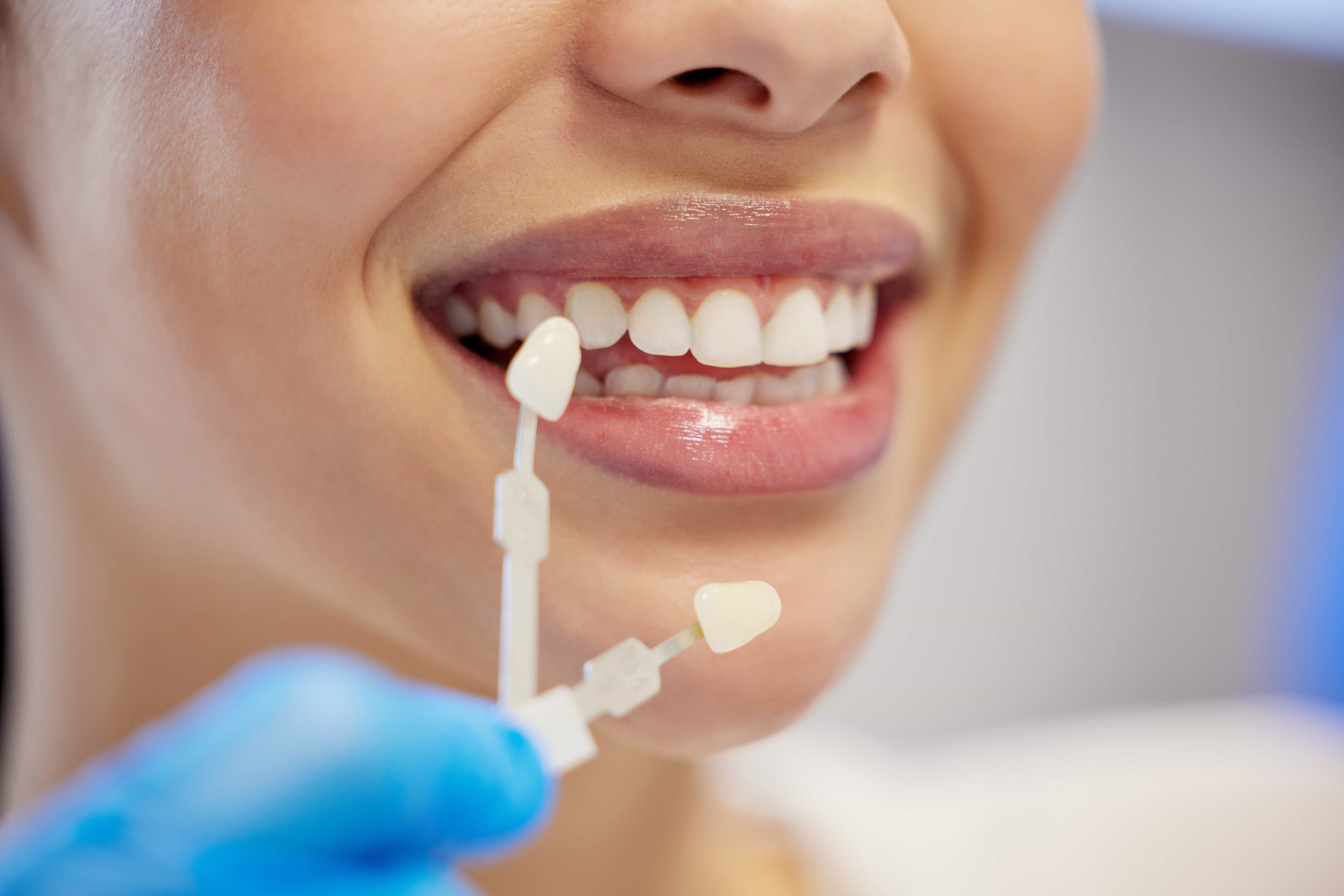
Crowns provide full tooth coverage and structural support, while veneers cover only the front surfaces of teeth and offer primarily aesthetic benefits with minimal preparation.
Based on a patient’s dental condition, a cosmetic dentist in Harper Woods will help you select the appropriate treatment for your needs. A dental crown is typically recommended for restoring a severely damaged tooth, while a veneer is ideal for enhancing the appearance of a healthy tooth with minor imperfections.
The Process and Tooth Preparation
A significant difference between a crown and a veneer is the degree of preparation required.
- Crowns: Tooth preparation for a crown involves removing a significant amount of the original tooth structure to make room for the restoration. This is an irreversible procedure.
- Veneers: These require significantly less enamel removal, thus sparing the tooth. They are considered to be less intrusive procedures because of this.
Because crowns completely cover the teeth, teeth with existing weaknesses due to decay, root canals, or cracks may be fully protected and even strengthened. Veneers may just be used to improve one’s smile or to whiten the teeth.
Materials Used in Crowns and Veneers
Modern dentistry offers various materials for differing purposes and monetary situations.
- Crowns can be made of porcelain fused to metal, zirconia, or E-max. These materials, such as zirconia and E-max, have gained popularity for their durability and look.
- Veneers are typically made from thin layers of porcelain or composite resin, designed to look natural and blend seamlessly with your other teeth.
Durability, Lifespan, and Cost Differences
However, crowns have a longer lifespan than veneers because they are designed to be very robust. A good crown will last 10 to 15 years or longer and provide long-lasting durability and strength, especially with zirconia or E-max materials.
Porcelain veneers typically last 7-10 years. However, with appropriate maintenance, they are less likely to chip or break. Porcelain veneers only cover the front part of the tooth. They are not as sturdy as crowns.
Cost-wise, crowns are slightly more expensive due to the extensive preparation and materials required. Veneers are also relatively budget-friendly compared to other cosmetic procedures; however, their overall cost varies.
When Is a Crown Necessary?
A cosmetic dentist typically recommends crowns when:
- A tooth is severely damaged or decayed to the point that it needs to be completely covered to be functional again.
- A tooth has had a root canal and needs protection.
- Structural support is needed to hold a cracked tooth together or hold a large filling or a fracture in place.
Since the crown completely covers the tooth, it adds strength and prevents further damage.
When Should You Choose Veneers?
Veneers are indicated if:
- Your teeth are healthy, but you would like to correct various cosmetic problems. For example, discolored, chipped, or slightly misaligned teeth can be corrected with veneers.
- You would like to save as much of your natural tooth enamel as possible by using a less invasive procedure (the removal of a small amount of tooth structure will immediately follow the placement of a dental crown).
- Your primary interest is cosmetic correction, rather than structural repair (the only purpose for a veneer is for aesthetic purposes, and most likely, you will not be required to have any additional procedures performed).
Insurance and Coverage Considerations
Most insurance plans do not cover veneers because they are considered elective and cosmetic. Crowns may be partially covered when medically necessary to restore a broken or decayed tooth.
A qualified Harper Woods’ cosmetic dentist can provide you with cost and insurance information tailored to your situation.
Summary: Choosing What’s Right for You
Whether you choose crowns or veneers depends on your overall dental health and the cosmetic result you are trying to achieve. The purpose of crowns is to provide a durable restoration for a tooth, while the purpose of veneers is to maintain tooth structure while achieving a great-looking smile.
If you are located in or near Harper Woods, a local cosmetic dentist can help you weigh your options and determine which solution best meets your dental needs and goals.
Your Smile Deserves the Best Care
At Falcon Dental Group, our dental team recognises that your smile is important to you. Our trained staff can assist you in making the right choice that meets your individual needs, whether it’s the support of a crown or the beauty of a veneer. To schedule your consultation, contact us today and take the first step toward developing a confident, healthy smile.
Common Questions People Ask
How long with proper care do porcelain veneers generally last?
Veneers typically last 7-10 years with proper care.
Will my dental insurance cover porcelain veneers?
Veneers are usually considered cosmetic procedures and are therefore not typically covered by most dental insurance plans.
What is the difference between crowns and veneers?
Crowns restore tooth strength by covering the entire tooth, while veneers are used for cosmetic purposes and only cover the front surface of your tooth.
Do you use the same preparation for crowns and veneers?
Preparation procedures differ, as crowns require the removal of more enamel, making them irreversible, while veneers involve minimal cutting.
What materials are available for crowns?
The most common materials used to make crowns include porcelain-fused-to-metal (PFM), zirconia, and E-Max porcelain.