Dental Implants: A Complete Patient Guide
Missing teeth can affect more than just your appearance. They impact how you speak, chew, and feel about yourself. Dental implants offer a long-term solution for tooth loss. They look, feel, and function like natural teeth. At Falcon Dental Group, our dental team believes every patient deserves clear, honest information. This guide will walk you through everything you need to know about dental implants — from how they work to what recovery looks like.
What Are Dental Implants?
A dental implant is a small titanium post. It is placed directly into the jawbone beneath the gum line. This post acts as an artificial tooth root. Over time, it fuses with the bone through a process called osseointegration. Once the implant is stable, a custom-made crown is attached on top. The result is a restoration that closely mimics a natural tooth in both structure and function. Unlike dentures, implants do not slip or require adhesive.
Implants are used to replace one tooth, several teeth, or even a full arch. They can support individual crowns, bridges, or implant-supported dentures. Each treatment plan is tailored to the patient’s specific needs. The goal is always to restore function and confidence in a lasting way. Learn more about our full range of tooth restoration options on our services page.
How the Dental Implant Process Works
The implant process happens in stages over several months. This timeline allows the body to heal properly at each step. Rushing the process can compromise the outcome. Understanding the stages helps patients feel prepared and confident going in.
The first stage involves a thorough evaluation. Our dental team will review your oral health, bone density, and medical history. X-rays and 3D imaging are often used. This helps determine whether you are a good candidate for implants. If bone loss has occurred, a bone graft may be recommended before placement. Grafting adds bone material to strengthen the jaw and support the implant.
Once cleared, the titanium post is surgically placed into the jawbone. Local anesthesia is used to keep you comfortable. After placement, a healing period of three to six months begins. During this time, the implant fuses with the bone. Most patients return to normal activities within a few days. Mild swelling and discomfort are common but manageable with proper care.
After osseointegration is complete, an abutment is attached to the implant. This small connector piece holds the final crown in place. The crown is custom-designed to match the color and shape of surrounding teeth. Once placed, the restoration looks seamless. Most patients find it difficult to tell the implant apart from their natural teeth.
Who Is a Good Candidate for Dental Implants?
Not everyone is immediately eligible for dental implants. Several health factors must be considered first. Ideal candidates are adults with fully developed jawbones. They should have good general and oral health. Sufficient bone density is also required to anchor the implant securely. Our dental team will assess all of these factors during your consultation.
Certain conditions may affect eligibility. Uncontrolled diabetes, heavy smoking, and some autoimmune disorders can slow healing. These factors do not always disqualify someone. However, they may require additional planning or treatment. Patients with gum disease will need that treated before implant placement can begin. Healthy gums are essential to long-term implant success.
Younger patients whose jaws are still developing are generally not candidates yet. Seniors in good health, however, can often benefit greatly from implants. Age alone is not a disqualifying factor. The most important step is a thorough and honest evaluation. Our team is here to guide you through that process. Visit our about page to learn more about our approach to patient care.
Benefits of Dental Implants Compared to Other Options
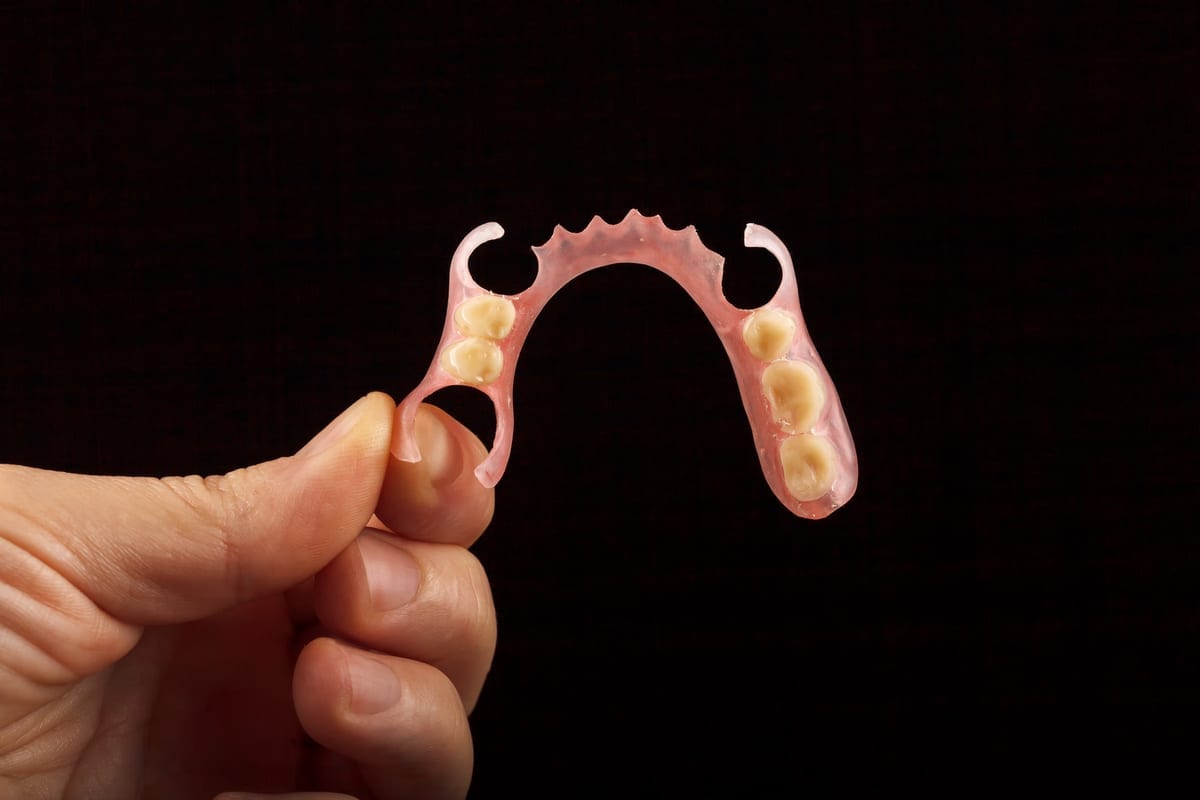
Dental implants offer several advantages over traditional tooth replacement options. Unlike removable dentures, implants are fixed in place permanently. They do not need to be taken out for cleaning. They also do not rely on adjacent teeth for support, as bridges do. This preserves the health of surrounding natural teeth. Patients often report improved comfort and confidence with implants.
One significant benefit is bone preservation. When a tooth is lost, the underlying jawbone begins to deteriorate. This can change the shape of your face over time. An implant stimulates the bone just like a natural tooth root would. This prevents further bone loss and maintains facial structure. No other tooth replacement option offers this level of biological support.
Implants are also designed to last. With proper care, they can function for decades. Many patients consider them a lifetime investment in their oral health. They allow you to eat, speak, and smile without worry. Maintenance is straightforward — brush, floss, and attend regular dental checkups. No special products or routines are required.
Caring for Your Dental Implants
Caring for dental implants is very similar to caring for natural teeth. Daily brushing and flossing are essential. Use a soft-bristled toothbrush and non-abrasive toothpaste. Flossing around the implant removes plaque from beneath the gumline. Interdental brushes can also be helpful for cleaning around the abutment. Consistent home care keeps the surrounding gum tissue healthy.
Regular dental visits are just as important. Our dental team will monitor the implant and surrounding bone at each checkup. We check for signs of inflammation, infection, or early implant issues. Professional cleanings help remove buildup that brushing alone cannot address. Staying consistent with appointments is one of the best things you can do to protect your investment.
Avoid habits that can damage implants. Chewing on ice or hard objects puts unnecessary stress on the crown. Smoking reduces blood flow and slows healing, which can affect implant stability. Teeth grinding, or bruxism, may require a custom night guard to protect the implant. Sharing these habits with our team helps us create a plan to address them proactively.
What to Expect During Recovery
Most patients recover well from implant surgery. The first few days are typically the most uncomfortable. Swelling, bruising, and mild pain are normal during this time. Cold compresses and prescribed or over-the-counter medications can help manage symptoms. Eating soft foods in the days following surgery is recommended. Avoid hard, crunchy, or hot foods until healing progresses.
Most patients return to work within one to three days. Strenuous physical activity should be limited for the first week. Follow all post-operative instructions provided by our dental team. These guidelines are designed to support proper healing. Any unusual symptoms — such as severe pain, excessive swelling, or a loose implant — should be reported to us promptly. We are always available to answer questions. You can reach out to us directly through our contact page.
Frequently Asked Questions
How long do dental implants last?
With proper care and regular dental visits, dental implants can last 20 years or more. Many patients keep their implants for a lifetime. The crown attached to the implant may need replacement after 10 to 15 years due to normal wear. Overall, implants are one of the most durable tooth replacement options available.
Is the dental implant procedure painful?
The procedure itself is performed under local anesthesia, so patients feel little to no pain during placement. Some soreness and swelling are common in the days following surgery. These symptoms are manageable with rest and appropriate pain relief. Most patients report that the discomfort is less than they anticipated beforehand.
How do I know if I have enough bone for dental implants?
Our dental team uses X-rays and 3D imaging to evaluate your bone density and volume. If bone loss has occurred, a bone graft may be recommended first. This procedure adds bone material to strengthen the area. After successful grafting and healing, implant placement can proceed safely.
Can dental implants fail?
Implant failure is uncommon but possible. Risk factors include smoking, uncontrolled systemic conditions, poor oral hygiene, and insufficient bone support. Early signs of problems include pain, swelling, or implant movement. Attending regular checkups allows our team to identify and address issues before they become serious.
Are dental implants suitable for older adults?
Yes, age is generally not a barrier to dental implants. Many older adults are excellent candidates and benefit significantly from the stability implants provide. Overall health and bone density are more important factors than age alone. Our dental team evaluates each patient individually to determine the most appropriate treatment plan.