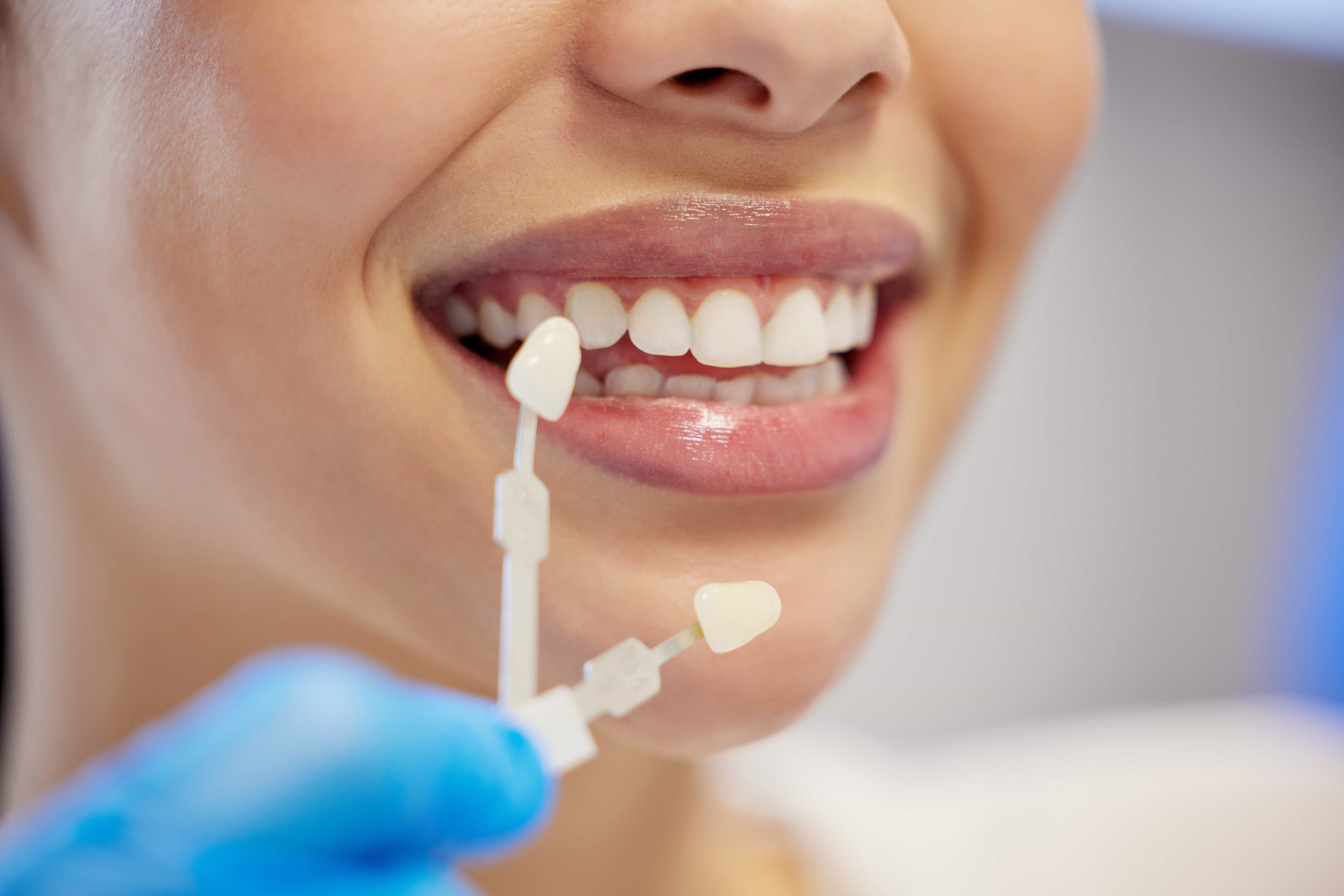
When considering veneers to improve your smile, you may be wondering whether dental insurance will cover the cost. It is a common question among people in Harper Woods who wish to fix their teeth but are afraid of the cost. Veneers are a new type of cosmetic dental procedure designed to cover flaws, such as discoloration, chips, or minor misalignments. Understanding how dental insurance works for veneers can help you make your decision easier and less anxiety-inducing.
Understanding Dental Insurance and Cosmetic Procedures
Generally, dental insurance focuses on covering medically necessary procedures rather than purely cosmetic ones. Since veneers are primarily considered cosmetic, they are not covered by many insurance plans. Nevertheless, exceptions exist in which veneers are used for a functional purpose, such as the restoration of severely chipped or damaged teeth. It should be noted that insurance policies differ, and terms such as “deductible,” “copay,” and “annual maximum benefit” will also affect your out-of-pocket expenses.
As a trusted cosmetic dentist in Harper Woods, we prioritize guiding you through these options to help you make an informed decision about your smile.
Medically Necessary vs. Cosmetic: What’s the Difference?
In general, insurance companies can make two categories of treatments:
- Medically Necessary: The treatment needed to keep or rebuild oral health, such as the crowns after root canals.
- Cosmetic: These are made to enhance the appearance, such as traditional veneers.
Dental veneers typically fall under the cosmetic category; hence, there is limited coverage. Yet, when veneers are used to treat severe discoloration or to cover a chipped tooth that affects function, the coverage can be partial under some plans.
The Role of Pre-Authorization and Insurance Exclusions
Ask your provider for pre-authorization before scheduling veneers. This is a precautionary move to ensure your insurer reviews the treatment you propose and determines its eligibility under your plan. Some plans do not cover it, whereas others can partially cover it when it is considered functional restoration.
Note that pre-existing conditions may also influence the eligibility for insurance. It would be safe to call your insurance company and speak directly or ask your cosmetic dentist to assist you in verifying your benefits and oral health.
Exploring Alternatives and Financing Options
In case there is a lack or absence of insurance coverage, there are still options to make veneers affordable:
- Dental Saving Plans: These are membership plans that offer discounts on a wide range of cosmetic and restorative dental procedures.
- Financing Choices: You can also pay in instalments through third parties.
- Dental Bonding and Crowns: Dental bonding or crowns may serve as alternatives to veneers, depending on your needs and insurance coverage.
It is essential to understand crowns vs veneers: with crowns, the entire tooth is covered, whereas with veneers, only the front is covered, which is more related to cosmetic treatment than to medical treatment.
How Long Do Porcelain Veneers Last?
With proper maintenance, porcelain veneers last 10 to 15 years. This is because they last long, making them a worthwhile investment for people with a long-term need to improve their smile. Veneers’ lifespan can be prolonged with proper oral care and regular dental checkups.
Steps to Take Before Getting Veneers
Consider the following before going on with veneers:
- Inquire with your insurance plan for details on coverage for veneers and the like.
- Ask your dental office about the insurance claims filing process to avoid surprises.
- Talk to your cosmetic dentist in Harper Woods about your objectives and financial limits to discuss the most suitable alternatives.
Conclusion: Making the Best Decision for Your Smile
The decision to have veneers is a personal choice that balances aesthetics and financial costs. Although dental insurance in most instances does not cover veneers, which are considered cosmetic, there are exceptions when veneers are considered functional restorations. In knowing your insurance condition, such as deductibles, copays, and annual maximum benefits, and a better understanding of whether you need to pre-authorize your treatment, you can plan your dental maintenance better.
Are you in or around Harper Woods, and considering veneers? You need to be advised on this undertaking. Trustworthy guidance will guide you through this process. At Falcon Dental Group, we will help you see clearly what you can do and guide you throughout the process.
Your Next Step to a Confident Smile
Willing to get to know more about the tapestry of veneers to revolutionize your smile? Call Falcon Dental Group now to schedule a consultation and discover how we can help you, including a review of your insurance plan and coverage options. We will assist you in creating a lasting impact with professional care.
Common Questions People Ask About Dental Insurance
What’s the difference between crowns and veneers?
Crowns cover the entire tooth and are typically covered by dental insurance if medically necessary; veneers are attached only to the front tooth surfaces and are primarily considered cosmetic.
Can veneers be used on teeth that are severely discolored?
Veneers are generally a practical option for treating discolored teeth, but dental insurance typically does not cover them for cosmetic reasons.
What is the process of obtaining pre-authorization?
Pre-authorization is required when your dentist submits your proposed treatment plan to your insurance company for approval before initiating any treatment.
Are there financing options for veneers?
Most dental offices offer their own payment plans, financing options, or savings programs to help patients pay for veneers.
What is the lifespan of porcelain veneers?
Porcelain veneers can last 10 to 15 years if properly maintained.