
If you live in the Harper Woods area or the surrounding regions, such as Grosse Pointe, you may be considering porcelain veneers to transform your smile. Porcelain veneers are among the most sought-after cosmetic dentistry procedures, aiming not only to enhance beauty but to do so in a natural manner. However, have you ever wondered just how long these porcelain veneers really last?
In this blog, we will discuss the lifespan of porcelain veneers, their maintenance, when restoration is necessary, and address commonly asked questions about the materials, the differences between crowns and veneers, whether insurance covers the procedures, etc. With the intent of helping individuals in Harper Woods and the surrounding areas understand the basics of applying veneers and the services offered by the local cosmetic dentist.
What Are Porcelain Dental Veneers, and How Long Do They Last?
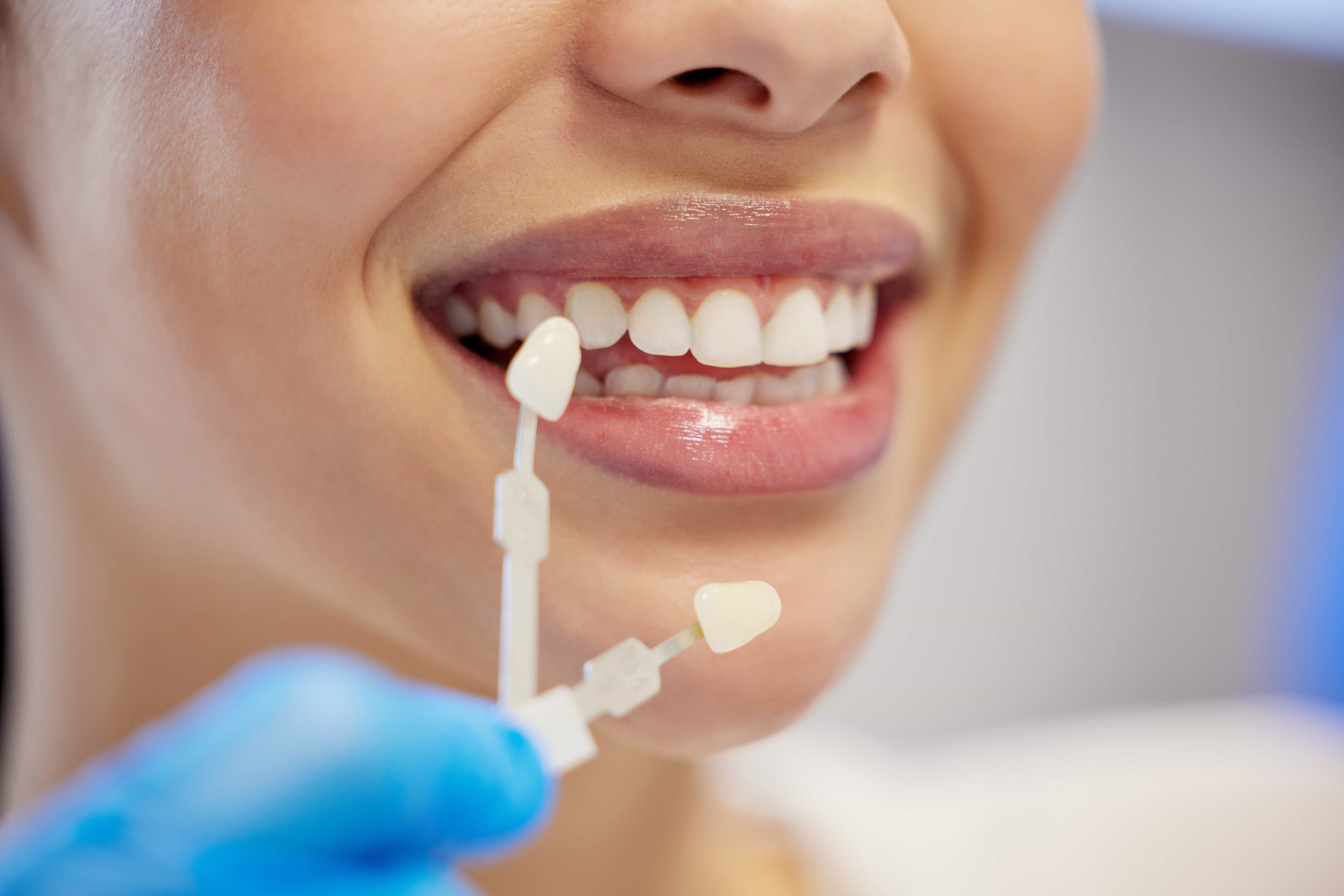
Porcelain veneers consist of thin, custom-made materials, such as dental-grade ceramic, that fit directly over the teeth to beautify by improving color, shape, size, or length. Since veneers do not stain easily and look very natural, they would be an excellent choice for teeth with discoloration, chips, and misalignment, which are occasionally observed.
The life expectancy of porcelain veneers can vary from 10 years to 15 years. However, they are dependent on certain factors. These factors include your oral, eating, and lifestyle habits. Examples of your lifestyle include grinding your teeth. Even though your veneers can last longer than the expected 10-15 years, it’s crucial to keep in mind that they’re not permanent.
However, a cosmetic dentist in Harper Woods asserts that the longevity of veneers greatly depends on maintenance. For example, having check-ups at scheduled times, refraining from consuming hard foods in large amounts, and using a night guard for people who have teeth-grinding habits are all helpful in ensuring veneers stay in good condition for a long time. Flossing and brushing teeth at least twice a day are effective in avoiding diseases such as gum disease and tooth decay, which could eventually damage the veneers.
Maintenance Tips for Porcelain Veneers in Harper Woods
Looking great while your veneers last long can be done in a few easy ways:
- Avoid hard or sticky foods: This includes eating ice or hard candy, or even using the teeth to open packages.
- Use non-abrasive toothpaste: This protects the resin used to bond the veneers to your teeth.
- Protect your veneers at night: If you grind or clench your teeth, consider a custom protective guard to prevent damage.
- Schedule routine dental checkups: Your dentist can assess the condition of your veneers and polish them.
If one understands these aftercare instructions, one will not need costly repairs or replacements, saving a lot of time and money while taking care of their oral health.
When Do Porcelain Veneers Need Replacement or Repair?
Over time, even such good veneers may show signs of wear, such as chipping, cracking, discoloration at the edges, and detachment from the gums, which may have shrunk following gum recession or bonding failure.
Porcelain veneer repair and replacement also hinge on the severity. If a veneer is merely chipped or stained, it can always be polished or repaired using composite materials.
However, it’s always recommended that you work with a trusted cosmetic dentist in Harper Woods to review your veneers periodically; they’ll advise whether refurbishment or replacement is needed.
Do Dental Insurance Plans Cover Veneers?
Many clients are wondering whether their insurance will help cover the cost of veneers. On the one hand, most dental insurance plans do not include porcelain veneers in their coverage; on the other hand, these plans often do include a small benefit for veneers placed on teeth to repair damage from trauma and decay.
In addition, if you are concerned about costs, you can consider getting into a payment plan with your dentist’s office. Knowing about these limitations can also allow you to plan accordingly.
Crowns vs Veneers: What’s the Difference?
The choice between the two options depends on the condition of the teeth. Typically, when teeth are damaged or weakened, the best option is a crown, as it completely covers the tooth on all sides. The opposite is true for veneers, which cover only the front surface.
While crowns are usually thicker, the veneer approach is more conservative, as it preserves more tooth structure. A cosmetic dentist in Harper Woods can help you compare during your visit.
Conclusion: Smile with Confidence with Expert Care
Porcelain veneers can offer an excellent way to improve your smile, especially since they can last 10 to 15 years on average. Following some of these care and usage guidelines can significantly enhance the longevity of porcelain veneers. Keeping abreast of porcelain veneers usage and replacement can always lead to a healthier smile!
For residents of Harper Woods and surrounding communities seeking quality, reliable cosmetic dental care, Falcon Dental Group is here to assist you every step of the way. Interested in discussing your cosmetic dental treatment options? Contact us today and find out just what a cosmetic dentist can do for you!
Common Questions People Ask about Porcelain Veneers
How Long Do Porcelain Veneers Typically Last?
Most veneers will last 10 to 15 years if cared for properly
Can Veneers Become Stained Over Time?
Porcelain is stain-resistant; however, if you don’t have good oral hygiene, surface stains may develop.
Does My Dental Insurance Cover the Cost of Veneers?
In most cases, veneers are considered cosmetic and therefore are not covered by dental insurance.
What Is the Difference Between Veneers and Crowns?
Veneers cover the front surface of the tooth to improve its aesthetics, while a crown completely covers the entire tooth structure, especially if it’s damaged.
Why Do Porcelain Veneers Fail to Match? Common Reasons Why Veneers Fail?
Common reasons for failure have been chip, gum recession, poor bonding, or trauma.