If your dentist mentioned crowns and you felt unsure about porcelain versus zirconia, this guide will help. You do not need a dental background to understand your options. You just need clear facts.
This blog breaks everything down in a simple way so you can make a confident decision based on your lifestyle, not guesswork.
What Are Dental Crowns and Why Do You Need One?
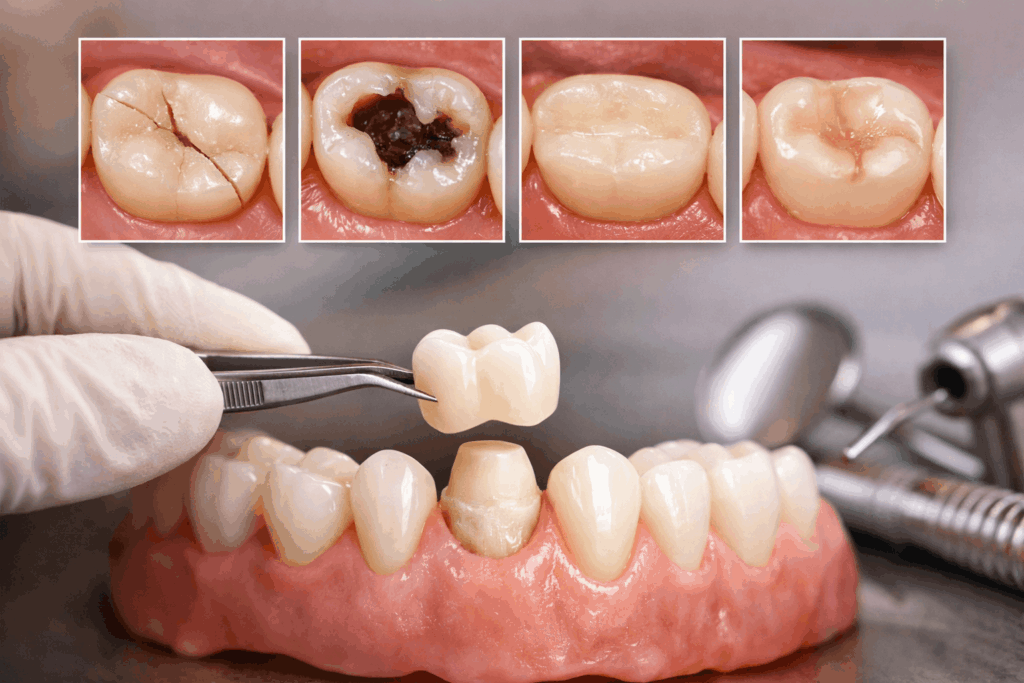
A dental crown is a protective cap placed over a damaged or weakened tooth. It restores shape, strength, and function. Crowns are often recommended when a tooth cannot hold a filling or has undergone root canal treatment.
Patients usually need crowns for:
- Cracked or broken teeth
- Large cavities
- Worn-down enamel
- Cosmetic corrections
If you spend weekends near Lake St. Clair or enjoy dining along Kercheval Avenue, you likely rely on your teeth for daily comfort. That makes choosing the right crown even more important.
Dental Crowns in Grosse Pointe and Harper Woods are commonly used to restore function while maintaining a natural look, especially for patients who want both durability and aesthetics.
Porcelain Crowns: Natural Look Comes First
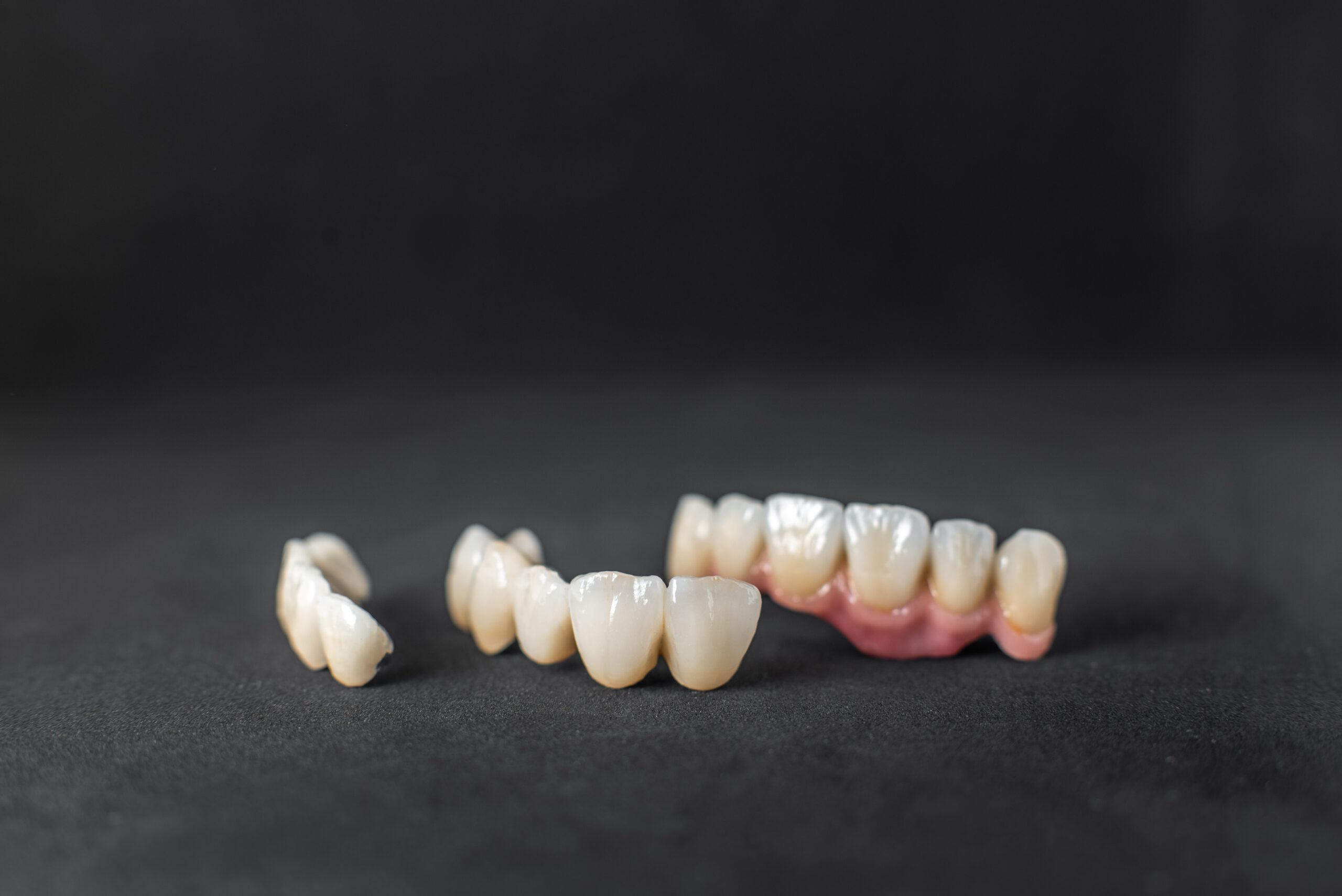
Porcelain crowns are known for their lifelike appearance. They closely match the color and translucency of natural teeth, which makes them ideal for visible areas.
Key benefits:
- Blends well with surrounding teeth
- Ideal for front teeth restoration
- Smooth surface resists plaque buildup
- Less likely to cause gum irritation
Things to consider:
- Not as strong as zirconia under heavy pressure
- Can chip over time, especially with grinding
- May require more care in high-bite areas
Porcelain works well if appearance is your top priority. If your concern is how your teeth look in photos or conversations, this option often delivers satisfying results.
Zirconia Crowns: Strength You Can Rely On
Zirconia crowns are made from a very strong ceramic material. They are built to handle pressure and last longer in demanding areas like molars.
Key benefits:
- High durability and fracture resistance
- Suitable for back teeth and heavy biting
- Longer lifespan with proper care
- Less wear over time
Things to consider:
- Slightly less natural appearance than porcelain
- Can feel more opaque in certain lighting
- May require polishing to avoid wearing opposing teeth
Zirconia is a practical choice if you chew harder foods or grind your teeth. It offers reliability for daily use without frequent maintenance.
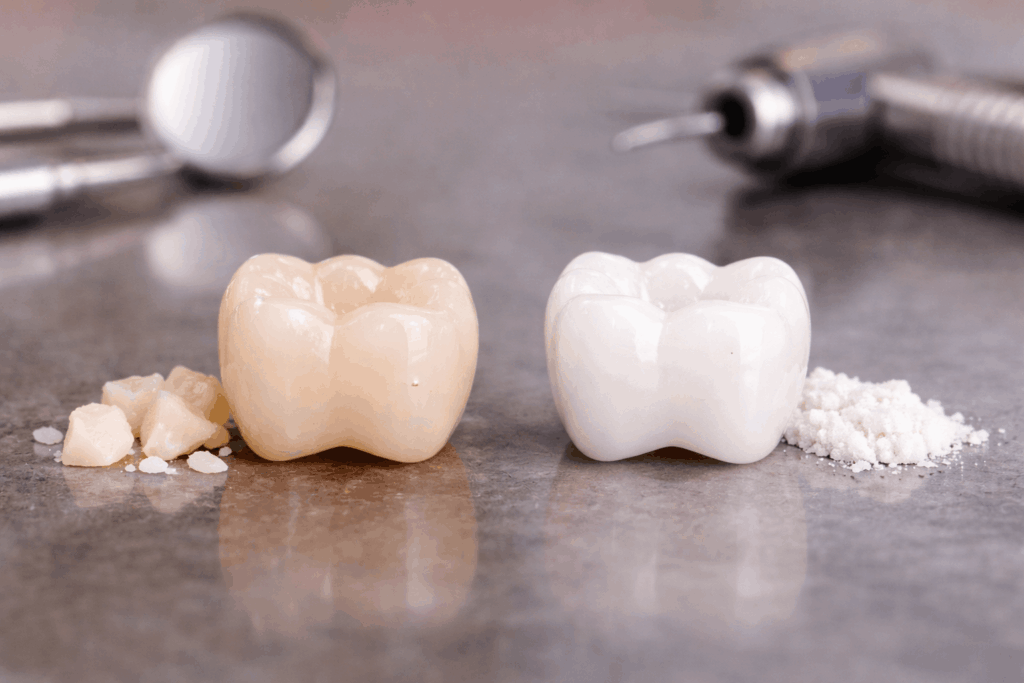
Porcelain vs. Zirconia: What Actually Matters?
Choosing between these two options depends on how you use your teeth, not just what looks good.
If you value aesthetics:
- Porcelain is often preferred
- Best for front teeth
If you need durability:
- Zirconia is more reliable
- Better for molars and chewing areas
If you want balance:
Some modern crowns combine both materials. This allows a strong base with a more natural outer layer.
How Local Lifestyle Impacts Your Choice
Living in areas like Grosse Pointe or Harper Woods often means a mix of active routines and social settings. Whether it is outdoor activities near Belle Isle Park or casual dining with family, your teeth go through regular stress.
Consider these lifestyle factors:
- Do you grind your teeth at night?
- Do you prefer harder foods like nuts or steaks?
- Are you concerned about visible appearance in social settings?
These simple questions can guide your decision more effectively than material alone.
What About Longevity and Maintenance?
Both crown types can last many years with proper care.
Porcelain:
- Average lifespan: 10 to 15 years
- Requires careful use to avoid chipping
Zirconia:
- Average lifespan: 15 to 20 years or more
- Handles pressure better over time
Good oral hygiene plays a key role:
- Brush twice daily
- Floss regularly
- Avoid biting hard objects
- Schedule routine dental visits
You may also come across treatments such as bonding, whitening, or implants when researching crowns. These are different procedures, but sometimes part of a broader treatment plan.
Making a Decision Without Overthinking
You do not need to overanalyze this choice. Focus on three simple factors:
- Where the crown will be placed
- How much pressure the tooth handle
- Your preference for appearance
If you are unsure, a dental consultation helps evaluate your bite, habits, and long-term needs. That ensures the crown works well for you, not just in theory.
A Practical Step Toward Better Oral Health
Choosing the right crown is about function and comfort. You want something that fits your daily life without constant worry.
Patients across Grosse Pointe and Harper Woods often look for solutions that feel natural and last long. When you clearly understand your options, the decision becomes easier and more practical.
Ready to Take the Next Step?
If you are considering dental crowns in Grosse Pointe and Harper Woods or want clarity about your options, a professional evaluation can help.
At Falcon Dental Group, the focus is on clear guidance and personalized care based on your needs. Schedule a consultation to understand what works best for you and take a confident step forward.
Common Questions People Ask
Which crown looks more natural, porcelain or zirconia?
Porcelain crowns typically look more natural because they mimic the translucency of real teeth. Zirconia is slightly more opaque, but newer versions offer improved aesthetics. The choice depends on the location of the tooth and your cosmetic goals.
Are zirconia crowns stronger than porcelain crowns?
Yes, zirconia crowns are generally stronger and more resistant to fractures. They perform better in areas that handle heavy chewing forces. Porcelain crowns are more suitable for visible areas where appearance matters more than strength.
Do porcelain crowns stain over time?
Porcelain crowns resist stains better than natural teeth, but they can still lose brightness over time if exposed to coffee, tea, or tobacco. Regular cleaning and good oral hygiene help maintain their appearance for longer.
Is the crown placement procedure painful?
The procedure is usually comfortable because local anesthesia is used. You may feel mild sensitivity after placement, but it typically resolves quickly. Most patients return to normal activities the same day without significant discomfort.
Can crowns break or fall off?
Crowns are durable but not indestructible. They can chip, crack, or loosen if exposed to excessive force or poor oral habits. Regular check-ups help detect issues early and keep the crown secure over time.