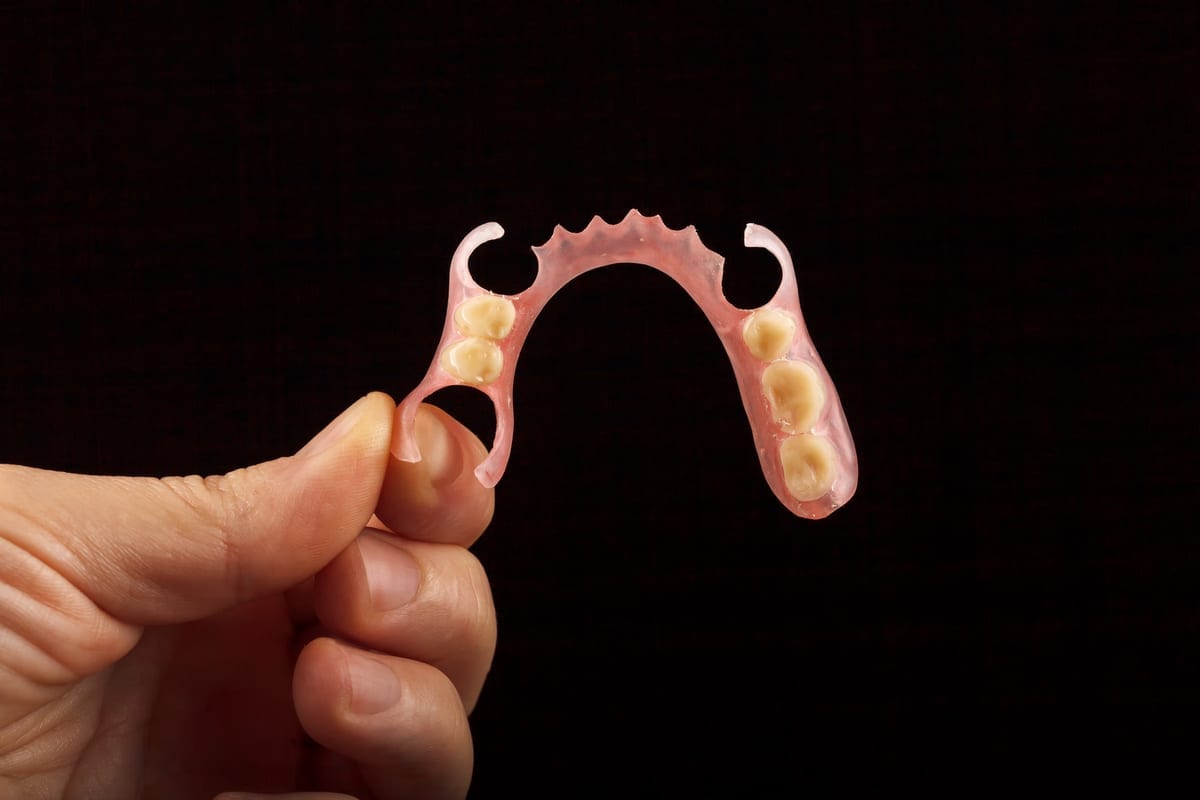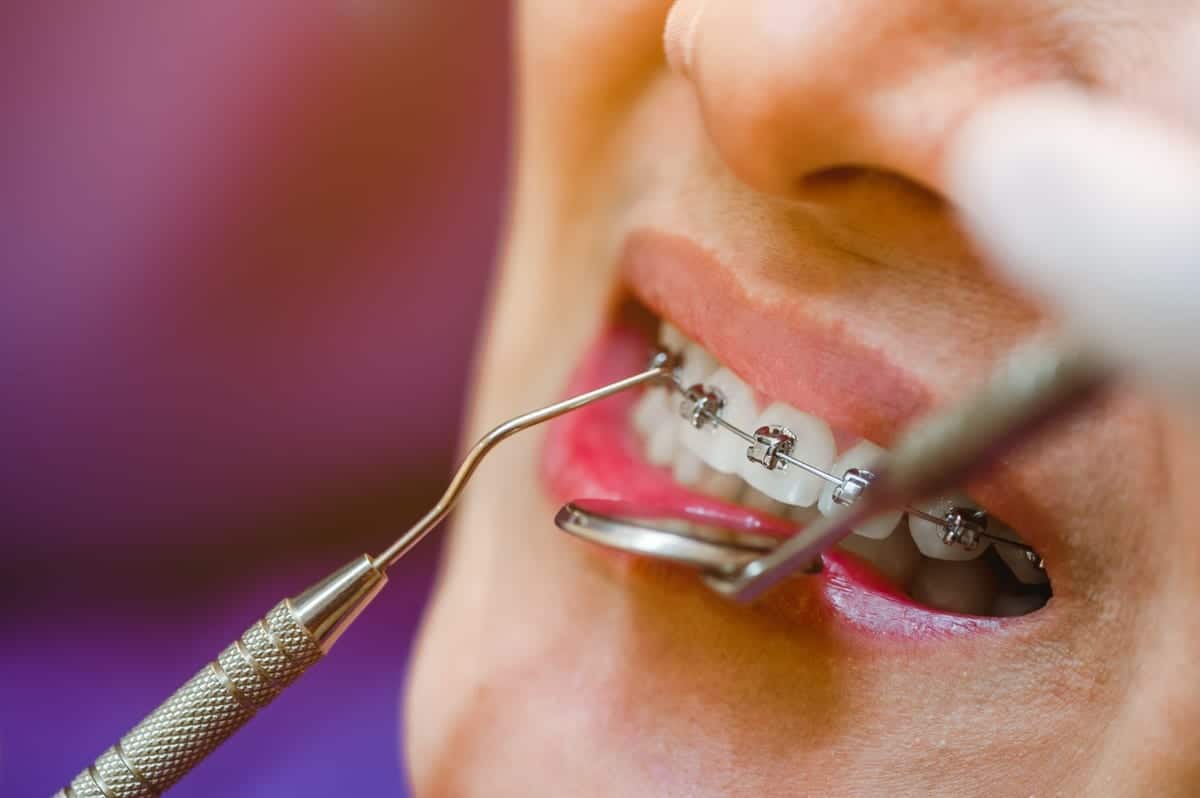

Most Harper Woods patients do the right thing — they schedule cleanings, show up on time, and follow Dr. Horacio Enrique Falcón’s recommendations. But your smile needs more than dental visits to stay healthy between appointments. What happens in those six months between checkups matters just as much as the appointment itself. The daily habits you build at home are the real foundation of long-term oral health.
At Falcon Dental Group, we believe patient education is just as important as treatment. That’s why we want to walk you through exactly what’s missing between appointments — and how simple changes can protect your teeth, gums, and overall smile health in Harper Woods.
Why What’s Missing Between Appointments in Harper Woods Matters
Think of your dental visits as a reset button. Dr. Falcón removes buildup, catches early issues, and polishes your teeth clean. But the decay, gum inflammation, and damage that bring patients back for Restorative Dentistry almost always start between appointments. Small neglected habits accumulate over weeks and months into real problems.
Plaque starts forming on teeth within hours of brushing. Without consistent removal, it hardens into tartar — something only a professional cleaning can remove. By the time you return for your next visit, the damage may already be done. That’s why your at-home routine is your first line of defense.
The Right Brushing Technique Makes All the Difference
Most people brush their teeth every day — but many do it incorrectly. Aggressive back-and-forth scrubbing actually wears down enamel over time. It can also irritate and recede gum tissue, exposing the sensitive roots of your teeth.
Here are the key steps for brushing correctly:
- Hold your brush at a 45-degree angle to your gums
- Use gentle, circular motions — never harsh scrubbing
- Brush for a full two minutes, twice daily
- Replace your toothbrush every three months
- Use a soft-bristled brush to avoid enamel damage
Electric toothbrushes are often a great investment. Studies consistently show they remove more plaque than manual brushing. Dr. Falcón can recommend the right option for your specific needs at your next visit.
Flossing and Rinsing: The Steps Most Patients Skip
Brushing alone cleans only about 60% of your tooth surfaces. The spaces between your teeth are prime real estate for bacteria and food debris. Skipping flossing leaves those zones unprotected every single day.
Floss at least once daily — ideally before bed. Slide the floss gently between teeth in a C-shape, hugging each tooth. Don’t snap it aggressively into your gums. If traditional floss feels difficult, try floss picks or a water flosser for easier access.
Mouthwash adds another layer of protection. An antibacterial rinse helps reduce plaque and bacteria that brushing and flossing miss. Look for an ADA-accepted fluoride rinse to strengthen enamel at the same time. Ask Dr. Falcón which rinse is most appropriate for your oral health goals.
Diet Adjustments That Protect Your Smile Between Visits
What you eat and drink between appointments has a direct impact on your teeth. Sugary and acidic foods fuel the bacteria responsible for decay. Frequent snacking — even on seemingly healthy foods — creates repeated acid attacks on your enamel throughout the day.
Here are practical diet tips to protect your teeth:
- Limit sugary snacks and sodas — especially between meals
- Drink water after eating to rinse away food and acid
- Choose crunchy vegetables like carrots and celery — they naturally clean teeth
- Reduce coffee and tea, which stain enamel over time
- Avoid chewing ice or hard candies that can chip teeth
Staying hydrated with water also supports saliva production. Saliva is your mouth’s natural defense system — it neutralizes acid and helps remineralize enamel. Dry mouth is a serious risk factor for decay, so drink water consistently throughout the day.
Choosing the Right Products for Your Smile
The dental care aisle can feel overwhelming. Not every product works the same way, and the wrong choice can actually do more harm than good. Your daily product routine should be tailored to your specific oral health needs.
Fluoride toothpaste is a must for nearly every adult. It strengthens enamel and fights early-stage decay. If you have sensitivity, look for a toothpaste specifically formulated for sensitive teeth — these contain compounds that calm exposed dentin.
If you’ve had restorations like Crowns And Bridges, you’ll want to avoid overly abrasive whitening toothpastes that can wear down the margins of your work. Ask Dr. Falcón for personalized product recommendations at your next visit. The right tools make your daily routine significantly more effective.
When to Watch for Warning Signs Between Appointments
Even with a perfect home routine, things can still go wrong. Knowing what to watch for helps you catch problems early — before they require more complex treatment. Don’t wait for your scheduled visit if you notice anything unusual.
Watch out for these warning signs between appointments:
- Tooth sensitivity to hot, cold, or sweet foods
- Bleeding or swollen gums during brushing or flossing
- Persistent bad breath that doesn’t improve with brushing
- A loose tooth or sudden pain when biting
- Any changes in how your teeth fit together
Falcon Dental Group offers Emergency Dentistry and Same-Day Dentistry for patients in Harper Woods who can’t wait. Don’t ignore symptoms hoping they’ll resolve on their own. Early intervention almost always leads to simpler, more affordable solutions.
Building a Routine That Lasts
Good oral health isn’t about perfection — it’s about consistency. Small daily habits compound over time into a dramatically healthier smile. The goal is to make your routine automatic so that it requires almost no willpower at all.
Start by anchoring your brushing and flossing to an existing habit — like brushing right after your morning coffee or right before bed. Pair it with something enjoyable, like listening to a favorite song or podcast. Small rituals make healthy habits stick.
Dr. Falcón and the team at Falcon Dental Group are here to support your smile every step of the way — not just when you’re in the chair. Your smile needs more than dental visits, and we want to give you every tool you need to succeed between appointments in Harper Woods. Book Now to schedule your appointment with our team.
Frequently Asked Questions
How often should I brush and floss between dental visits?
You should brush at least twice daily — morning and night — using a soft-bristled toothbrush and fluoride toothpaste. Floss at least once a day, ideally before bed. Consistent daily habits prevent the plaque buildup that leads to decay and gum disease between your professional cleanings.
Can my diet really affect my teeth between appointments?
Absolutely. Sugary and acidic foods fuel bacteria that produce enamel-eroding acid. Frequent snacking creates repeated acid attacks throughout the day. Drinking water, limiting sugar, and choosing tooth-friendly snacks like raw vegetables can make a meaningful difference in your oral health between visits.
What products should I use between dental appointments?
Most adults benefit from fluoride toothpaste, a soft-bristled brush, floss or a water flosser, and an antibacterial mouthwash. If you have specific conditions like sensitivity or existing dental restorations, ask Dr. Falcón for personalized product recommendations tailored to your needs.
When should I call Falcon Dental Group between scheduled visits?
Contact us any time you notice tooth pain, sensitivity, bleeding gums, swelling, or a cracked or chipped tooth. Falcon Dental Group offers emergency and same-day appointments for urgent situations. Early attention to symptoms almost always results in simpler and less invasive treatment.
Why do my teeth feel fine if I skip flossing?
Gum disease and early-stage decay often develop without noticeable pain. By the time discomfort appears, the problem has typically progressed significantly. Flossing prevents the quiet buildup of bacteria between teeth that leads to gingivitis, bone loss, and cavities — even when you feel no symptoms at all.