If you’ve been researching smile transformations, you’ve likely wondered what happens to your teeth during the veneer process in Harper Woods. It’s a fair question — and an important one. Veneers involve real changes to your natural teeth. Understanding each step helps you make a confident, informed decision. At Falcon Dental Group, Dr. Horacio Enrique Falcón walks every patient through the process before anything begins.
Starting With a Veneer Consultation in Harper Woods
The veneer journey begins with a detailed consultation. Dr. Falcón examines your teeth, gums, and bite to confirm that veneers are the right fit for your smile goals. He reviews your dental history and takes X-rays when needed. This step ensures your mouth is healthy enough to move forward safely.
During the consultation, you’ll discuss what you want to change about your smile. That might include chips, stains, gaps, or uneven shapes. Dr. Falcón listens carefully before recommending a treatment plan. This is also the ideal time to ask every question on your mind.
Veneers fall under the broader category of Cosmetic Dentistry Harper Woods patients seek for smile enhancement. Knowing your options upfront makes the entire process smoother. Dr. Falcón ensures you understand exactly what the procedure involves before you commit.
What Happens During Enamel Preparation
This is the step that surprises many patients the most. To place veneers properly, a small amount of enamel must be removed from the front surface of your teeth. The amount is very thin — typically about 0.5 millimeters. However, this change is permanent, which is why the consultation stage matters so much.
Removing enamel creates a slightly rough surface. This allows the veneer to bond securely to your tooth. Without this step, veneers would sit too far forward and look unnatural. The process is carefully controlled to preserve as much of your natural tooth as possible.
Dr. Falcón uses precise instruments to shape each tooth individually. No two teeth are identical, so the preparation is customized. Local anesthesia is typically used to keep you comfortable throughout. Most patients experience very little discomfort during this stage.
- Only a thin layer of enamel is removed — about 0.5 mm
- The process is irreversible, so preparation and planning are essential
- Anesthesia keeps the experience comfortable for most patients
- Each tooth is shaped individually for a natural-looking result
- The roughened surface helps the veneer bond more effectively
Understanding the Temporary Veneer Phase
After enamel preparation, your teeth need protection while your permanent veneers are being crafted. This is where temporary veneers come in. They cover your prepared teeth and give you a preview of your new smile. Temporaries are not as durable as permanent veneers, so some care is needed.
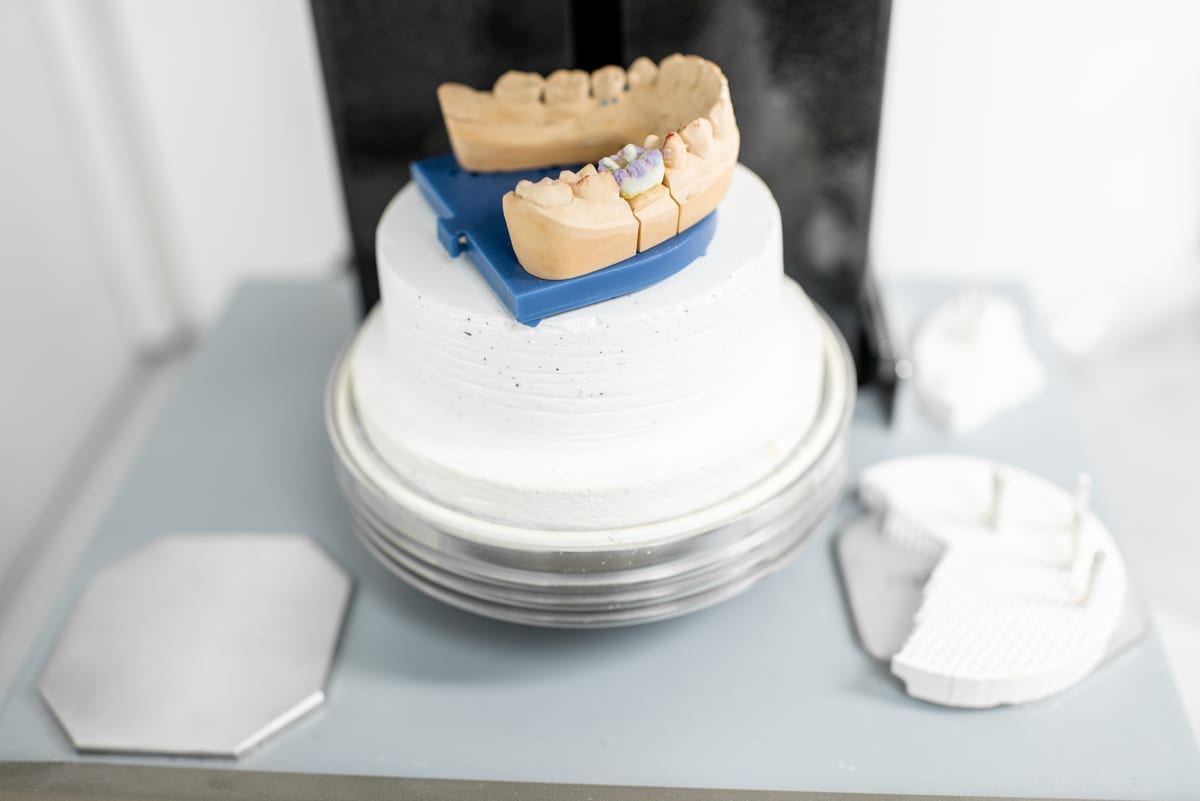
Your dental impressions are sent to a dental lab at this stage. Skilled technicians craft your custom veneers based on Dr. Falcón’s detailed specifications. This process typically takes one to two weeks. During that time, you wear your temporary veneers and adjust to the new feel.
Temporaries help you evaluate the shape and size of your upcoming veneers. If something doesn’t feel right, this is the time to speak up. Dr. Falcón reviews your feedback and communicates any adjustments to the lab. Small changes are much easier to make before the final veneers are completed.
Some patients feel mild sensitivity during the temporary phase. This is normal and usually fades once permanent veneers are placed. Avoiding very hard or sticky foods helps protect temporaries. Your care instructions will be clear and easy to follow.
Shade Selection: Choosing Your Ideal Smile Color
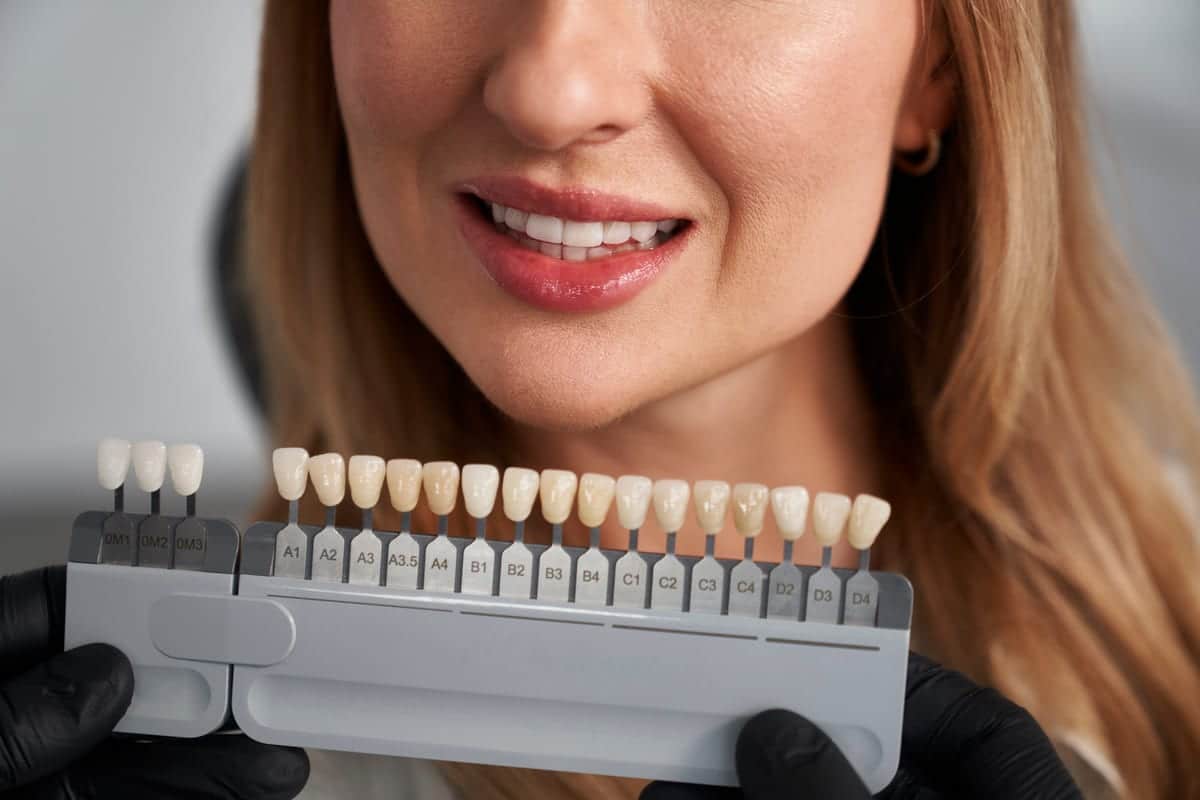
One of the most exciting parts of the veneer process is selecting your shade. Dr. Falcón uses a professional shade guide to match or enhance your natural tooth color. The goal is a result that looks beautiful and natural — not artificial or overly white.
Shade selection happens early in the process. It influences how the lab crafts your veneers. Lighting plays an important role, so Dr. Falcón evaluates shades under different light conditions. Your skin tone, eye color, and smile goals all factor into the recommendation.
- A professional shade guide is used for accurate color matching
- Shades are evaluated under multiple lighting conditions
- Your natural features help guide the ideal color choice
- You have final say on the shade that feels right to you
- The lab uses your chosen shade as a precise reference point
Patients often worry about choosing a shade that looks too bright. Dr. Falcón helps you find a balance between noticeably improved and naturally beautiful. Most patients opt for shades that enhance their smile without looking dramatic. The result should feel like a better version of your natural teeth.
Final Bonding: Placing Your Permanent Veneers
When your permanent veneers arrive from the lab, you return for the bonding appointment. Dr. Falcón first places each veneer without adhesive to check the fit and color. Any minor adjustments are made at this stage. Once everything looks perfect, the bonding process begins.
Your teeth are cleaned and prepared with a special etching solution. This creates a strong surface for the dental adhesive to grip. Each veneer is carefully positioned and then hardened using a curing light. The light activates the bonding agent and locks the veneer in place.
Dr. Falcón checks your bite after all veneers are bonded. He makes small adjustments to ensure your teeth come together comfortably. Excess adhesive is removed, and the edges are smoothed. You leave the office with a finished, polished smile.
Caring for veneers is straightforward. Brush and floss daily as you normally would. Avoid biting hard objects like ice or pens. With proper care, veneers can last ten to fifteen years or longer. If you ever need additional smile work, Restorative Dentistry Harper Woods services are also available at Falcon Dental Group.
Conclusion: Your Smile Journey at Falcon Dental Group
Understanding what happens to your teeth during the veneer process in Harper Woods makes the entire experience less intimidating. From consultation to final bonding, every step is designed with your comfort and results in mind. Dr. Falcón and the Falcon Dental Group team take time to educate and guide you at every stage. You deserve to feel confident and informed throughout your smile transformation.
A beautiful smile is within reach when you have the right dental team behind you. Book Now to schedule your appointment with our team.
Frequently Asked Questions
Does getting veneers hurt?
Most patients experience minimal discomfort during the veneer process. Local anesthesia is used during enamel preparation to keep you comfortable. Some mild sensitivity is common after the preparation appointment, but it typically fades quickly once permanent veneers are placed.
How long does the veneer process take from start to finish?
The entire veneer process usually takes two to three appointments spread over two to four weeks. The consultation and preparation happen first. Then you wait for the lab to craft your veneers. The final bonding appointment completes the process.
Can veneers be removed after they are placed?
Veneers are considered a permanent dental treatment. Because enamel is removed during preparation, the teeth always need to be covered with veneers or another restoration going forward. It’s important to commit to the process with a clear understanding of this before moving ahead.
How do I keep my veneers looking their best?
Daily brushing and flossing are essential for veneer longevity. Use a non-abrasive toothpaste and a soft-bristled toothbrush. Avoid biting hard objects and minimize staining foods and beverages when possible. Regular checkups at Falcon Dental Group help keep your veneers in excellent condition.
Are veneers the right choice for everyone?
Veneers work well for patients with healthy gums and sufficient enamel. They are not ideal for people who grind their teeth severely or have significant decay. Dr. Falcón evaluates each patient individually during the consultation to determine whether veneers or another cosmetic option is the best fit.