Most Harper Woods residents wear their dentures every single day without a second thought. But one common daily mistake is quietly shortening the life of those dentures. If your dentures are failing because of one daily mistake — Harper Woods patients are often surprised to learn what it is. Dr. Horacio Enrique Falcón at Falcon Dental Group sees this issue regularly, and it is almost always preventable.
The good news is that proper denture care is simple once you know the right steps. This guide will walk you through the correct daily routine to keep your dentures fitting well, looking great, and lasting longer.
The One Daily Mistake That Ruins Dentures in Harper Woods
The single most damaging habit is leaving dentures in overnight without proper soaking or cleaning. Many patients rinse their dentures quickly and wear them to bed. This traps bacteria against gum tissue for hours every night.
Over time, this causes gum irritation, bad breath, and accelerated denture breakdown. Saliva protects your mouth during the day. At night, saliva production drops dramatically, making clean dentures even more important.
Skipping proper overnight soaking also causes the denture material to dry out. Dry dentures warp. Warped dentures no longer fit correctly and can cause painful sore spots on your gums.
The Correct Daily Denture Cleaning Routine
A solid daily routine takes less than five minutes. Follow these steps every single day to protect your investment and your oral health.
- Rinse after every meal: Remove your dentures and rinse them under lukewarm water after eating.
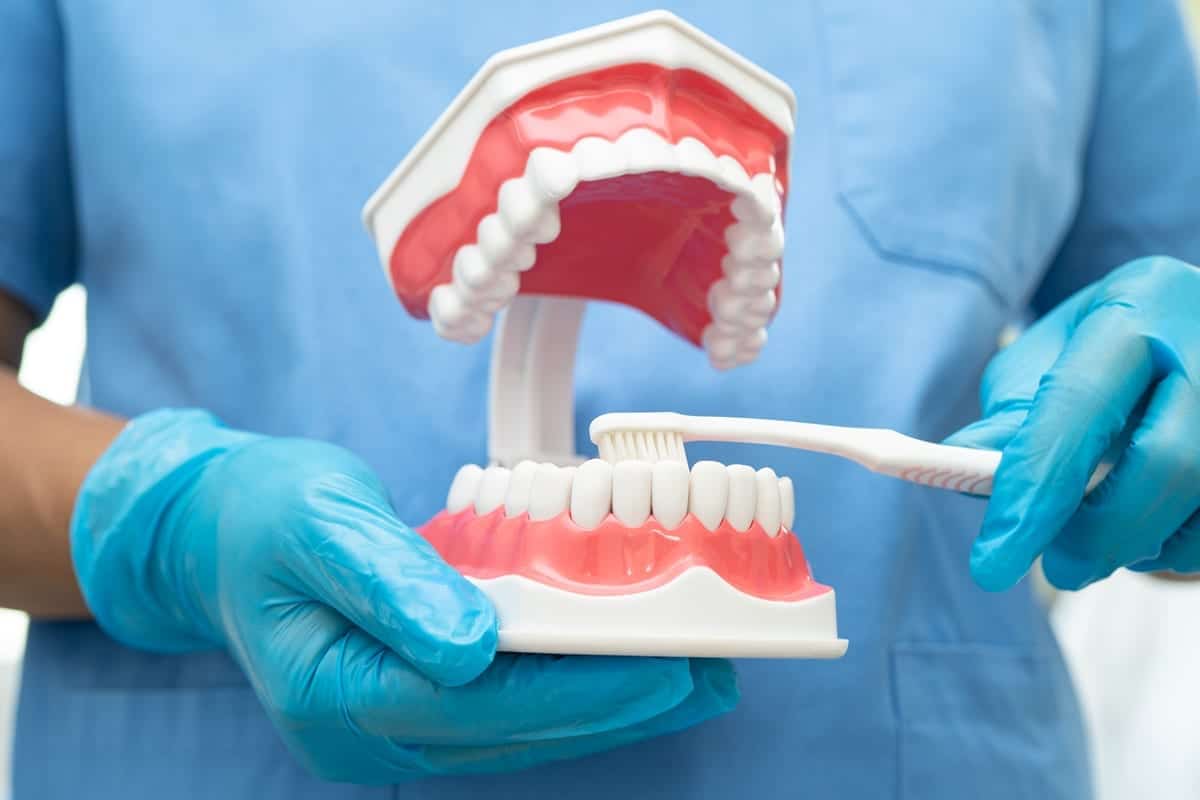
- Brush daily with a soft denture brush: Use a non-abrasive denture cleaner — never regular toothpaste.
- Clean your gums and tongue: Use a soft toothbrush on your gums, tongue, and the roof of your mouth every morning.
- Soak overnight in denture solution: Always place your dentures in a denture-soaking solution or plain water overnight.
- Rinse before reinserting: Rinse soaking solution off thoroughly before placing dentures back in your mouth.
Regular toothpaste seems gentle, but it is actually abrasive enough to scratch denture surfaces. Those tiny scratches become hiding spots for bacteria and stains.
Common Denture Handling Mistakes That Cause Damage
Cleaning habits are only half the battle. How you handle your dentures also makes a major difference in their lifespan. Dentures are surprisingly fragile when dropped on hard surfaces.
Always remove and insert dentures over a folded towel or a sink filled with a little water. A single drop onto a tile floor can crack or break a denture completely. Repairs are costly and avoidable.
Avoid these common handling errors:
- Bending or forcing dentures during insertion or removal
- Using toothpicks or sharp objects to clean hard-to-reach areas
- Exposing dentures to very hot water, which causes warping
- Storing dry dentures uncovered, which leads to brittleness
- Using household cleaners or bleach, which damages the material
If your dentures feel loose or uncomfortable, do not try to adjust them yourself. Self-adjustment almost always causes irreversible damage to the fit.
Why Denture Fit Changes Over Time — and What to Do
Even with perfect daily care, your dentures will eventually need adjustment. Your jawbone naturally changes shape after tooth loss. This process is called bone resorption, and it happens continuously over the years.
As the jaw changes, dentures that once fit perfectly begin to slip and shift. Ill-fitting dentures cause sore spots, difficulty chewing, and changes in your facial appearance. This is not a sign of poor care — it is a normal biological process.
Regular check-ups with Dr. Falcón allow for timely relining or replacement before major problems develop. Most patients need a denture reline every two to three years on average. Catching fit issues early prevents gum damage and discomfort.
If you are considering upgrading your smile beyond standard dentures, ask us about your options. Cosmetic Dentistry Harper Woods patients trust at Falcon Dental Group includes modern smile solutions that look and feel natural. We also offer Restorative Dentistry Harper Woods services to help you maintain function and confidence at every stage of life.
Signs Your Dentures Need Professional Attention Right Away
Daily care keeps problems at bay, but some warning signs require a prompt dental visit. Do not ignore these red flags.
Contact Falcon Dental Group if you notice any of the following:
- Persistent soreness or redness on your gums
- Dentures that click, slip, or feel loose during normal conversation
- Visible cracks, chips, or missing teeth on the denture
- Chronic bad breath that does not improve with cleaning
- Difficulty chewing foods that were once easy to manage
These issues rarely resolve on their own. Waiting too long can lead to gum damage, infection, or a more complex restoration process. Early action always leads to better outcomes.
Your Denture Care Routine Starts Here in Harper Woods
Taking care of your dentures is one of the most important habits you can build. The right daily routine — cleaning, soaking, careful handling, and regular check-ups — protects your oral health and your investment. Dr. Horacio Enrique Falcón and the team at Falcon Dental Group are here to support Harper Woods patients every step of the way. Book Now to schedule your appointment with our team.
Frequently Asked Questions
How often should I clean my dentures each day?
You should rinse your dentures after every meal and brush them thoroughly at least once daily. Overnight soaking in a denture solution is also essential every night. This complete routine prevents bacterial buildup and keeps your dentures in the best possible condition.
Can I sleep with my dentures in?
Most dental professionals, including Dr. Falcón, recommend removing your dentures at night. Sleeping with dentures in increases the risk of gum irritation, bacterial infections, and accelerated bone loss. Giving your gum tissue time to rest each night supports long-term oral health.
What type of cleaner is safe for dentures?
Use only products specifically labeled as denture cleaners. Regular toothpaste is too abrasive and will scratch denture surfaces over time. Those scratches harbor bacteria and staining agents, which shortens the lifespan of your dentures significantly.
How do I know if my dentures no longer fit properly?
Signs of a poor fit include slipping during speech or eating, sore spots on your gums, and visible gaps between the denture and your gum line. If you notice any of these signs, schedule a visit with Falcon Dental Group as soon as possible. A professional reline or adjustment can restore a comfortable, secure fit.
How long do dentures typically last?
With proper daily care, most dentures last between five and ten years. However, the fit will likely need adjustments every two to three years due to natural changes in your jawbone. Regular dental check-ups help ensure your dentures continue to fit well and function correctly over time.