
Jaw pain can disrupt your sleep, your meals, and your daily comfort. If you live in Harper Woods and you’ve been experiencing clicking, aching, or stiffness in your jaw, you’re not alone. Understanding what’s really causing your jaw pain — 5 common TMJ triggers Harper Woods residents face — is the first step toward relief. At Falcon Dental Group, Dr. Horacio Enrique Falcón helps patients identify the root cause of their discomfort and find lasting solutions.
What Is TMJ and Why Does It Matter?
The temporomandibular joint, or TMJ, connects your jawbone to your skull. You have one on each side of your face. These joints allow you to chew, speak, and yawn comfortably. When something disrupts their function, the result is a condition often called TMD — temporomandibular disorder.
TMD is more common than many people realize. Symptoms can range from mild soreness to severe, debilitating pain. Some patients also experience headaches, ear pain, or difficulty opening their mouth fully. Recognizing the triggers is key to getting effective treatment.
Many patients in Harper Woods assume jaw pain will simply go away on its own. Unfortunately, untreated TMJ disorders can worsen over time. Early evaluation at a trusted dental practice makes a real difference in long-term outcomes.
Trigger 1 — Bruxism: The Hidden Nighttime Habit
Bruxism means grinding or clenching your teeth, often during sleep. Many people don’t even know they do it. Over time, this repetitive force places enormous stress on the TMJ. The joint simply wasn’t designed to handle that level of constant pressure.
Signs of bruxism include worn tooth surfaces, jaw soreness in the morning, and frequent headaches. Your sleeping partner may even hear the grinding. Left untreated, bruxism can cause tooth damage that requires Restorative Dentistry Harper Woods procedures to correct.
A custom night guard is one of the most effective ways to manage bruxism. It cushions the teeth and reduces pressure on the joint. Dr. Falcón can assess your bite and determine whether a guard is right for you.
Trigger 2 — Stress and Muscle Tension
Stress is one of the most overlooked TMJ triggers. When you’re anxious or overwhelmed, your body holds tension in unexpected places. Many people unconsciously clench their jaw throughout the day without realizing it. This constant muscle tension strains the TMJ and the surrounding tissues.
Patients who work high-pressure jobs or manage difficult life circumstances often report worsening jaw pain during stressful periods. The connection between emotional stress and physical jaw pain is well established. Addressing both the dental and lifestyle factors matters for full relief.
Simple practices like mindfulness, stretching, and posture awareness can reduce jaw tension. However, if stress-related clenching has already damaged your jaw joint, professional treatment remains essential. Dr. Falcón takes a whole-patient approach to care at Falcon Dental Group.
Trigger 3 — Bite Misalignment
When your upper and lower teeth don’t fit together properly, your jaw compensates. It shifts and strains to find a comfortable resting position. Over time, this misalignment creates chronic stress on the TMJ. The muscles and ligaments surrounding the joint can become inflamed and painful.
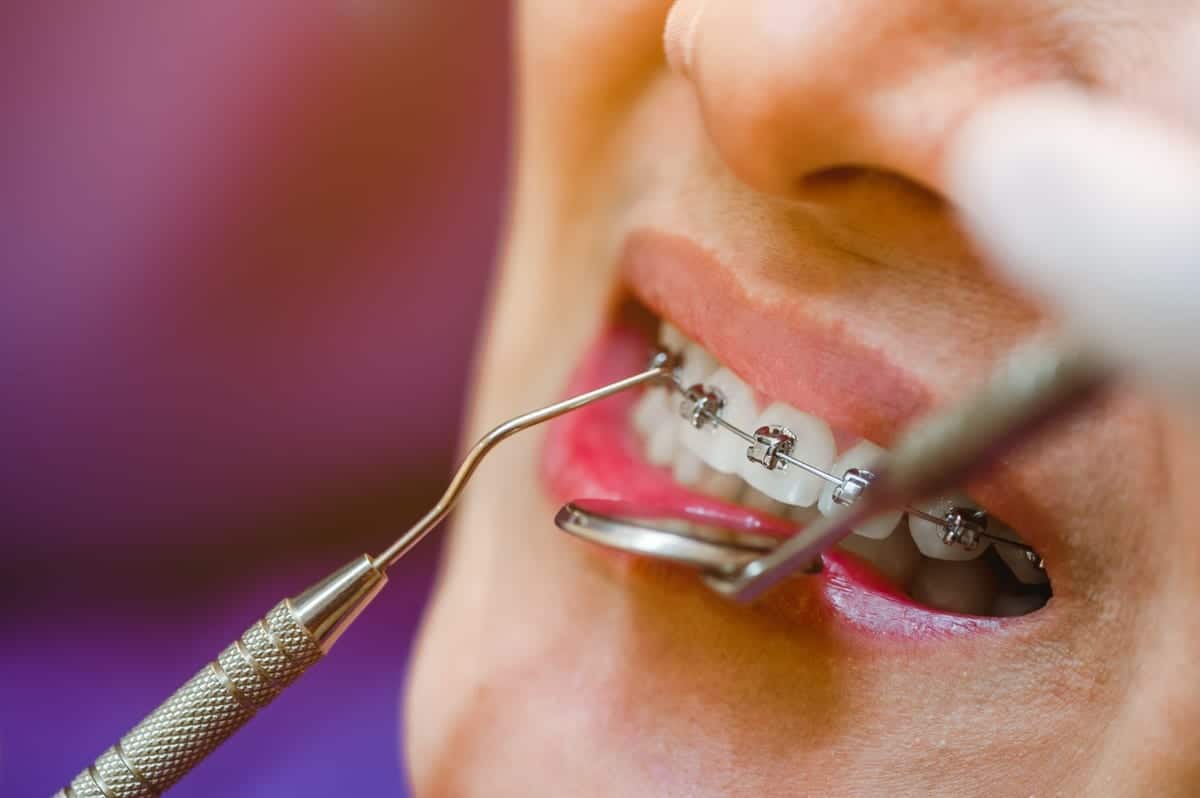
Bite misalignment can develop from crooked teeth, missing teeth, or poorly fitted dental restorations. It can also occur gradually as teeth shift with age. Some patients benefit from orthodontic correction, while others need bite adjustment procedures.
- Uneven chewing pressure on one side of the jaw
- Teeth that click or pop when you open and close
- Chronic soreness after eating hard foods
- Visible wear patterns on certain teeth
If bite issues are affecting both function and appearance, solutions like those offered through Cosmetic Dentistry Harper Woods may address both concerns simultaneously. Dr. Falcón will evaluate your occlusion during a comprehensive exam.
Trigger 4 — Arthritis Affecting the Jaw Joint
Arthritis isn’t limited to the knees and hips. It can also affect the temporomandibular joint. Osteoarthritis causes the cartilage within the joint to wear down gradually. Rheumatoid arthritis, an autoimmune condition, can inflame and damage the joint tissue directly.
Arthritis-related TMJ pain tends to worsen with movement. You may notice increased stiffness in the morning or after periods of rest. The pain is often deep, aching, and difficult to pinpoint precisely. It can easily be mistaken for ear pain or sinus pressure.
Managing arthritis-related TMJ issues requires a careful, individualized approach. Anti-inflammatory strategies, physical therapy, and dental splints can all play a role. Dr. Falcón coordinates treatment to protect the joint and preserve your quality of life.
Trigger 5 — Past Jaw Injury
A jaw injury — even one that happened years ago — can set the stage for future TMJ problems. Car accidents, sports injuries, and falls can all damage the delicate structures of the joint. Even if the injury seemed to heal at the time, internal damage may linger.
Scar tissue, displaced cartilage, or subtle structural changes can all contribute to ongoing dysfunction. Patients sometimes notice jaw pain emerging long after the original trauma. This delayed onset can make it harder to connect the current pain to a past event.
- Previous jaw fractures or dislocations
- Dental trauma that shifted the bite
- Whiplash injuries affecting the neck and jaw
- Blunt force impact to the face or chin
Sharing your full medical and dental history with Dr. Falcón is essential. That background helps paint a complete picture of what may be driving your symptoms. Comprehensive evaluation leads to more targeted and effective treatment.
How Falcon Dental Group Can Help Harper Woods Patients
Understanding what’s really causing your jaw pain — the 5 common TMJ triggers facing Harper Woods residents — is only the beginning. The next step is working with a dental team that listens carefully and treats you as a whole person. At Falcon Dental Group, Dr. Horacio Enrique Falcón offers personalized TMJ evaluations designed to uncover your specific triggers.
Treatment options vary depending on the cause and severity of your condition. Some patients respond well to conservative measures like night guards and jaw exercises. Others may need more advanced interventions to restore comfortable function.
You don’t have to live with chronic jaw pain. Relief is possible with the right diagnosis and a committed care team. Book Now to schedule your appointment with our team.
Frequently Asked Questions
How do I know if my jaw pain is caused by TMJ disorder?
Common signs include clicking or popping sounds in the jaw, pain when chewing or yawning, facial soreness, and morning headaches. A dental exam is the best way to get a confirmed diagnosis. Dr. Falcón evaluates jaw function, bite alignment, and muscle tension during a thorough TMJ assessment.
Can stress really cause jaw pain?
Yes, stress is a well-recognized TMJ trigger. Emotional tension often causes people to clench or grind their teeth unconsciously. Over time, this habit strains the jaw joint and surrounding muscles, leading to real physical pain. Managing stress alongside dental treatment produces better long-term results.
Is TMJ treatment painful?
Most TMJ treatments are gentle and non-invasive. Options like custom night guards, bite adjustments, and physical therapy exercises are designed to relieve pain rather than cause it. Dr. Falcón prioritizes patient comfort throughout the evaluation and treatment process at Falcon Dental Group.
Can TMJ disorders get worse without treatment?
Yes, untreated TMJ disorders can progress over time. Ongoing grinding can wear down tooth enamel and worsen joint damage. Early intervention helps prevent more serious complications and typically leads to faster, more complete recovery.
What should I expect at a TMJ evaluation at Falcon Dental Group?
Your evaluation will include a review of your symptoms and dental history, a physical examination of your jaw joint and bite, and a discussion of potential treatment options. Dr. Falcón takes time to explain findings clearly and answer all your questions. The goal is to identify the specific cause of your discomfort and create a personalized care plan.